
Surgeon

& Medisave

Pricing

Approach
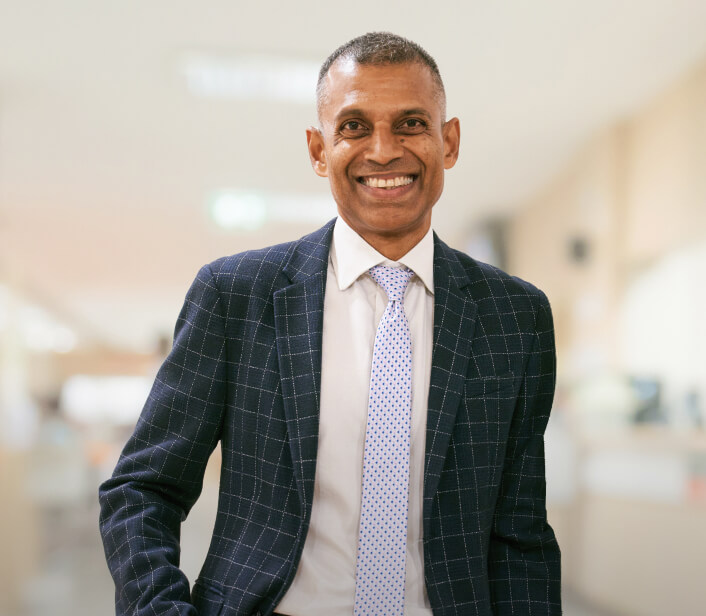
Dr Shanker is the Medical Director of the Digestive Centre. He is a key opinion leader in the field of upper gastrointestinal disease intervention, especially in using minimally-invasive techniques to treat GERD (acid reflux) effectively. He has given numerous press, television and radio interviews and is actively involved in the training of doctors both locally and in the region.
He obtained his medical degree from the National University of Singapore in 1995 and completed his higher training in gastrointestinal and vascular surgery across Singapore, Germany, and the UK. In 2007, Dr Shanker further enhanced his skills by completing a fellowship in advanced endoscopy and robotics in Strasbourg, France.
With more than 20 years of experience, Dr Shanker has consistently prioritised patient safety above all else in his surgical practice. His primary focus is ensuring that each procedure is performed safely, and he continuously explores new methods, particularly minimally invasive techniques, to achieve the best outcomes for his patients.

You will be cared for by a diverse team of experts, including doctors and specialists in various fields. We work together to make sure you get the right care.
Getting an accurate diagnosis is crucial for the right treatment.
Our team has much experience with various methods including endoscopic, keyhole, robotic, and redo or revision procedures. We'll find the best approach for you.












Our specialist, Dr. Shanker, will assess you to provide an accurate diagnosis. The most common way to diagnose GERD is through endoscopy, which examines your esophagus and stomach. Other tests may include Acid (pH) testing, X-rays, and swallowing studies.
Heartburn, also known as acid indigestion, is a burning sensation in the chest caused by stomach acid backing up into the esophagus.
Esophageal cancer involves abnormal cell growth in the tube connecting the throat to the stomach. Symptoms may include trouble swallowing, weight loss, and chest pain. Early detection improves treatment outcomes, which may involve surgery, chemotherapy, or radiation. Avoiding smoking and excessive alcohol can reduce the risk.
For mild cases, diet and lifestyle changes with occasional medication may be enough.
In more severe cases, or if you have hiatus hernia, definitive treatments, including endoscopy or keyhole procedures, can be performed as day surgeries. These options help control reflux and improve your quality of life. Talk to us to find out more.

Mount Elizabeth Hospital
3 Mount Elizabeth #12-14 Mount Elizabeth
Medical Centre Singapore 228510
| Tel | : +65 6737 5388 |
| : +65 8799 2791 |
| Mon-Fri | : 9am – 5pm |
| Sat | : 9am – 12.30pm |
| Closed on Sunday & Public Holidays | |